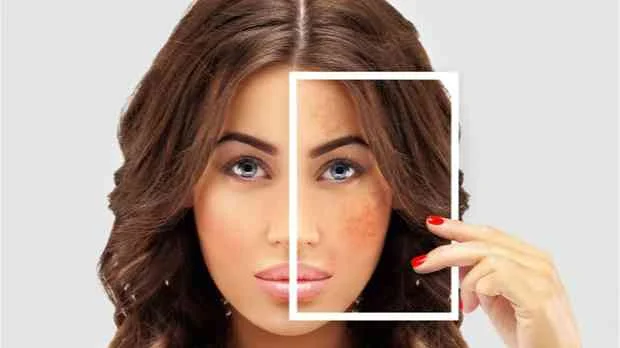
Whether you know it as age spots, acne scarring, melasma, or sun spots, blotchy, uneven skin is high on the list of beauty woes amongst women. Excess melanin production attributes to hyperpigmentation and can appear as dark patches on the skin of women of all ages and ethnicities. This common skin issue is caused by several factors, from sun damage, to bug bites, to acne and even hormonal changes can all contribute to noticable blotchy skin tone. Although it can be a tedious task to get the skin in order, hyperpigmentation can indeed be controlled with the right treatment.
So, how can you help treat and protect your skin if you notice uneven skin complexion on your face or body? We’ve outlined all you need to know about hyperpigmentation and how to treat the skin condition.
What is hyperpigmentation?
Hyperpigmentation is the appearance of darker complexion spots, marks or patches on the skin. The affected areas appears darker than the rest of the skin on the body. This skin discoloration can be caused by a number of things; acne blemishes, skin injuries, freckles, sun spots, or skin conditions like psoriasis and eczema. All of these skin issues can boost the production of the cells that form melanin and this increases the amount of melanin produced on your skin. The excess melanin goes into the deeper levels of your skin, which causes hyperpigmentation. When these spots are exposed to abnormal conditions, like sunlight, they can flare up and worsen.
What is Melanin?
Melanin is what gives your skin color. It is produced by cells called melanocytes. Although some people experience more melanin production that others, when too much melanin is produced, these clusters of pigmentation are released to other skin cells and can form skin discolorations, dark spots and hyperpigmentation.
What causes hyperpigmentation?
There are several factors or skin issues that can cause discoloration of the skin. Let’s look at just a few of the most common causes of hyperpigmentation.
Sunlight (Sun Damage)
Sun spots, or age spots, are one of the most common forms of hyperpigmentation and can affect people of all ages and ethnicities. However, those who are considered ‘middle aged’ and older are more likely to see the effects of sun spots due to lack of proper skin care precautions during younger years. These relatively small spots can show up as white or dark spots in the most exposed areas of the body (face, hands, shoulders, legs, etc).
Hormone Changes
Hyperpigmentation can also be a side effect of changes in the body due to hormonal imbalances or occurrences like pregnancy, menopause, monthly menstruation, or other instances when the body experiences a drop in estrogen levels and causes the melanin production to be kicked into overdrive. Large dark spots or patches can appear all over the body, including the face and abdomen. Birth control pills may also cause hyperpigmentation, because they similarly affect hormone levels.
Injuries to the Skin
Acne is the least fun rite of passage for teens and its effects can last through adulthood. Even though clearing acne can be the best feeling in the world, for teens and adults it can also mean fighting to treat and heal acne scarring, or abrasions. Other topical or cosmetic skin issues like lasering can leave dark spots behind after skin treatments. Wounds, scraps, insect bites and surgical marks can also contribute to dark spots on the skin where the skin has been healed. These tend to be flat areas of dark color, usually referred to by your doctor as post-inflammatory hyperpigmentation, and can appear virtually anywhere on the body or face.
Other Dark Spot Causes
There are also other causes of uneven skin tone. Birthmarks, stretch marks, fading tattoos, and even some skin cancers can result in dark marks or patches of skin, although they are not forms of acquired hyperpigmentation, they are still the result of excess melanin production. TO be sure that your dark spots are not a symptom or result of a much more serious skin condition we recommend you speak with your doctor about any changes in skin color, shape or texture that you notice.
How to treat hyperpigmentation and skin discoloration
Hyperpigmentation can take months or even years to naturally fade, thankfully there are many treatment options available to help speed up the process of fading and give you an even looking skin complexion.
Skin Brightening Cream
To effectively treat hyperpigmentation, start a brightening skincare routine to help boost skin clarity. While hyperpigmentation will not go away overnight, using targeted creams and treatments can help speed up the process of fading dark marks on the skin. The most common trouble areas for dark spots occur on the parts of the body that’s only visible during the warmer months, like the underarms and the inner thighs. Brightening cream products like our Barra brightening cream, help brighten and fade dark spots caused by hyper pigmentation and visibly diminish their appearance over time.
Sunscreen
The easiest way to avoid pigmentation issues? Sun protection. If you already have spots, a sunscreen will keep them from darkening. A good sunscreen should be the number one tool in your skincare essential toolbox, and should be used daily, regardless of the season. Even on the days when it’s cloudy or rainy, wearing sunscreen keeps you protected from the exposed uV rays which can cause dark spots, skin discoloration and even early signs of aging. Sunscreen is essential in defending your skin against hyperpigmentation.
Microdermabrasion
Microdermabrasion is skin care treatment done at your local dermatologist or skin care specialist’s office. If looking to this method to treat your hyperpigmentation it is important to be sure the treatment is gentle to the skin. Microdermabrasion buffs away at the top layer of skin to reveal the less pigmented layers beneath the surface. Similar to an exfoliation, microdermabrasion sloughs the skin cells on the surfaces causing cell acceleration which fades dark spots quicker. The process uses small crystals to remove your epidermis. This method is known to work best on fair skin.
Gentle Cleansers
Routine skin care is also important to treating problem areas of the skin caused by hyperpigmentation. Areas of healing, such as a pimple, scar, or bug bite require attention to ensure that the wound doesn’t cause infection or inflammation which can lead to hyperpigmentation. A gentle cleanser, like the Joatinga Gentle Cleanser, and exfoliator, like the Arpoador Gel Exfoliant, should be used daily to care for the skin. It is also important to steer clear of skin irritants like chemicals in products, or shaving or plucking hair on the skin which can lead to ingrown hairs which also leave dark marks or spots on the affected areas of skin.
If you wax regularly be sure to make your skin care a top priority to prevent ingrown hair, and to slough away dead, dry skin so you can keep feeling smoother longer. For questions about how to treat your hyperpigmentation stop by your local Depil Brazil to speak to an experienced and knowledgeable esthetician so that you can bare it all without feeling embarrassed by dark marks or sun spots. Book your first brow, bikini or Brazilian wax free and select Depil Brazil locations!